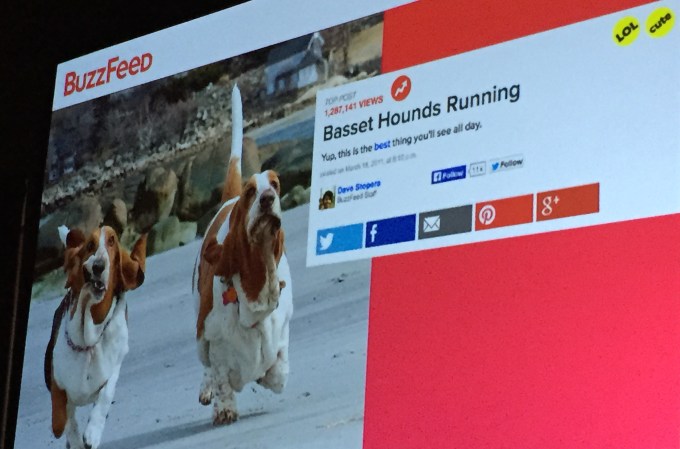
“Because so many publishers build their businesses on
banner ads, they have to get people back to their site to make money”
says BuzzFeed CEO
Jonah Peretti. But that misses much of the value of social media. “You
should be using this distribution channel to show them content, not just
a pointer to some other space.”
“Because so many publishers build their businesses on
banner ads, they have to get people back to their site to make money”
says BuzzFeed CEO
Jonah Peretti. But that misses much of the value of social media. “You
should be using this distribution channel to show them content, not just
a pointer to some other space.”
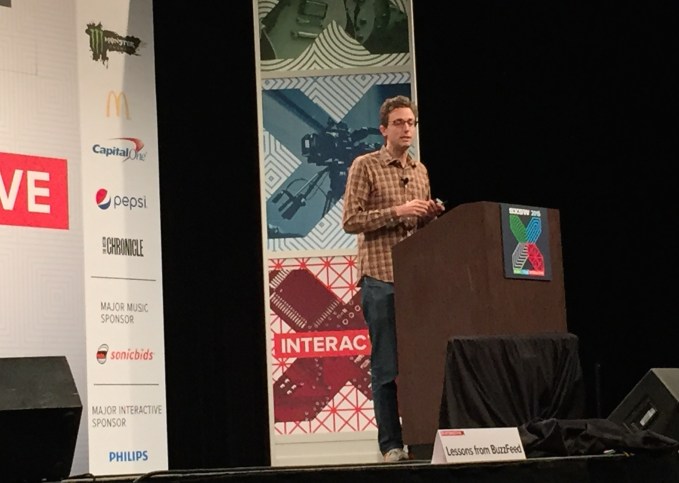
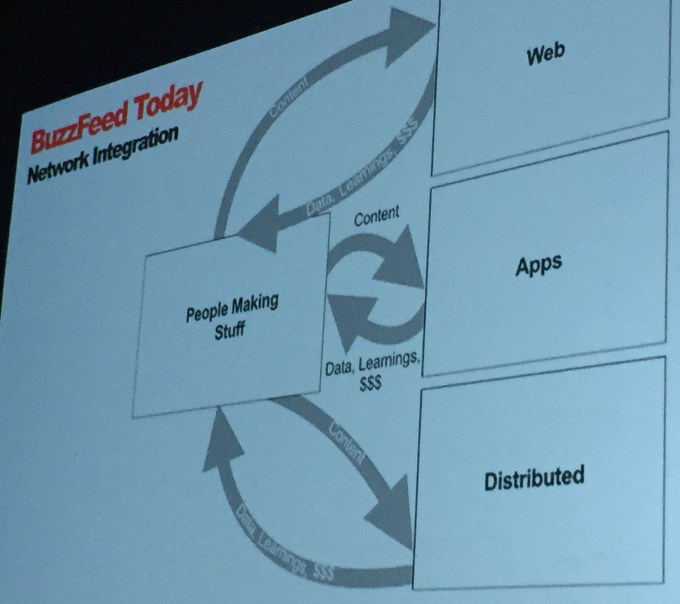
During his talk to a massive SXSW crowd, Peretti explained
how he’s building BuzzFeed into a globe-spanning business with over 200
million unique monthy visitors and over 900 employees.
At its core, BuzzFeed’s strategy is about distributing emotion.
Peretti demonstrated just how many more people BuzzFeed
reaches by delivering its content directly through social networks
rather than just pumping out links. In referral traffic per month, he
says BuzzFeed receives 12.5 million hits from Twitter, 60 million from
Pinterest, and 349 million from Facebook.
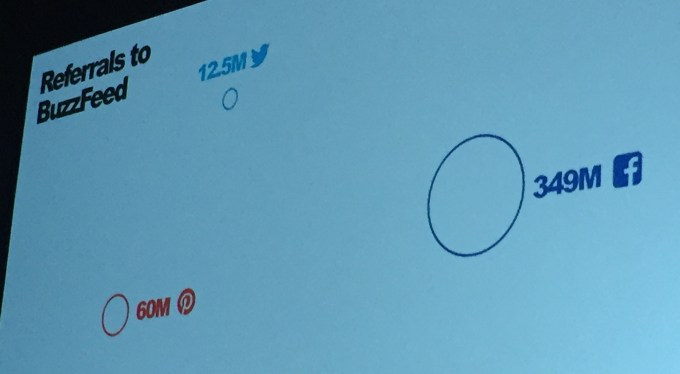
Monthly referral traffic from links clicked is relatively small…
But Peretti said showing people links in hopes of luring
them somewhere else “feels a little bit outdated”. He explained “The
numbers are actually really small compared to people who saw our content
in the stream.” In terms of impressions, BuzzFeed’s content saw 847
million views on Twitter, 6 billion on Pinterest, and a whopping 11.3
billion on Facebook.
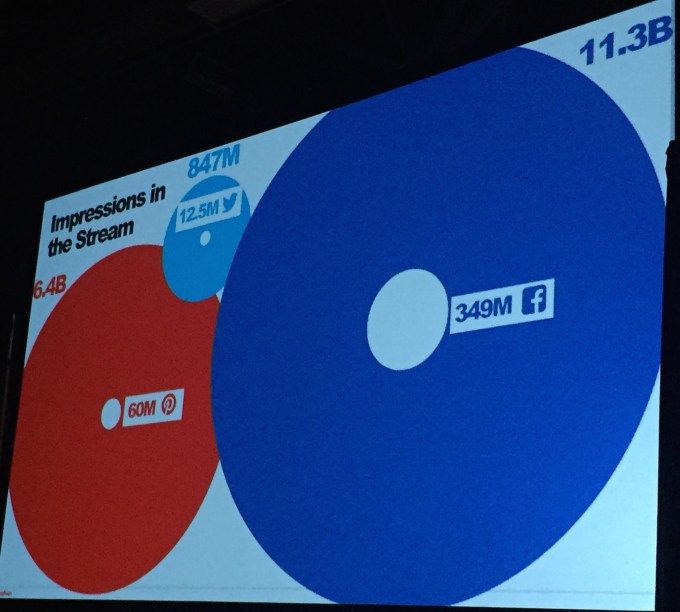
…compared to the massive reach of BuzzFeed’s content when pushed off-site
“If you can push the content out to the edges, you can
potentially reach a much larger audience” say Peretti. Of course, that
won’t necessarily make business sense unless a media property has a similar revenue model to BuzzFeed. But maybe everyone should be moving in that direction.
 The
startup earns money by charging brands for native ads that it designs
to look like BuzzFeed stories, and then helping distribute them. It
doesn’t need page views on every one of its own stories. It just needs
to learn what people like, make sponsored content that matches that, and
get lots of people to see it wherever they are.
The
startup earns money by charging brands for native ads that it designs
to look like BuzzFeed stories, and then helping distribute them. It
doesn’t need page views on every one of its own stories. It just needs
to learn what people like, make sponsored content that matches that, and
get lots of people to see it wherever they are.
As more media properties evolve towards a native ads
model, getting clicks becomes less important. Meanwhile, building a
social network audience and becoming known for great content becomes
increasingly critical.
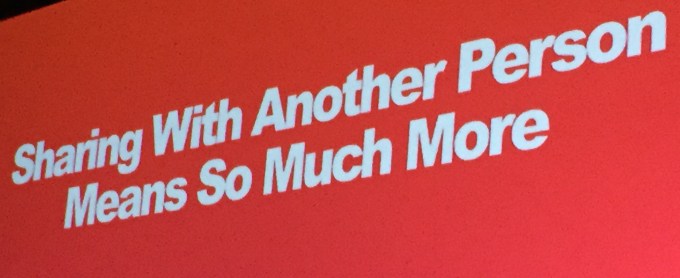
But creating viral content isn’t about getting people to share information, it’s about sharing emotion.
The “Share Statement” is what BuzzFeed internally calls
the words you use to describe things you post on social media, like its
articles. Peretti says the “Share Statement is “often more important
than the headline” because it’s says why, not just what, they’re
sharing.
BuzzFeed closely watches these Share Statements to learn
what its audience wants to see. Peretti concluded “BuzzFeed doesn’t make
a product. We’re a service that keeps getting better at creating
content over time.”